What are the common early signs of water damage?
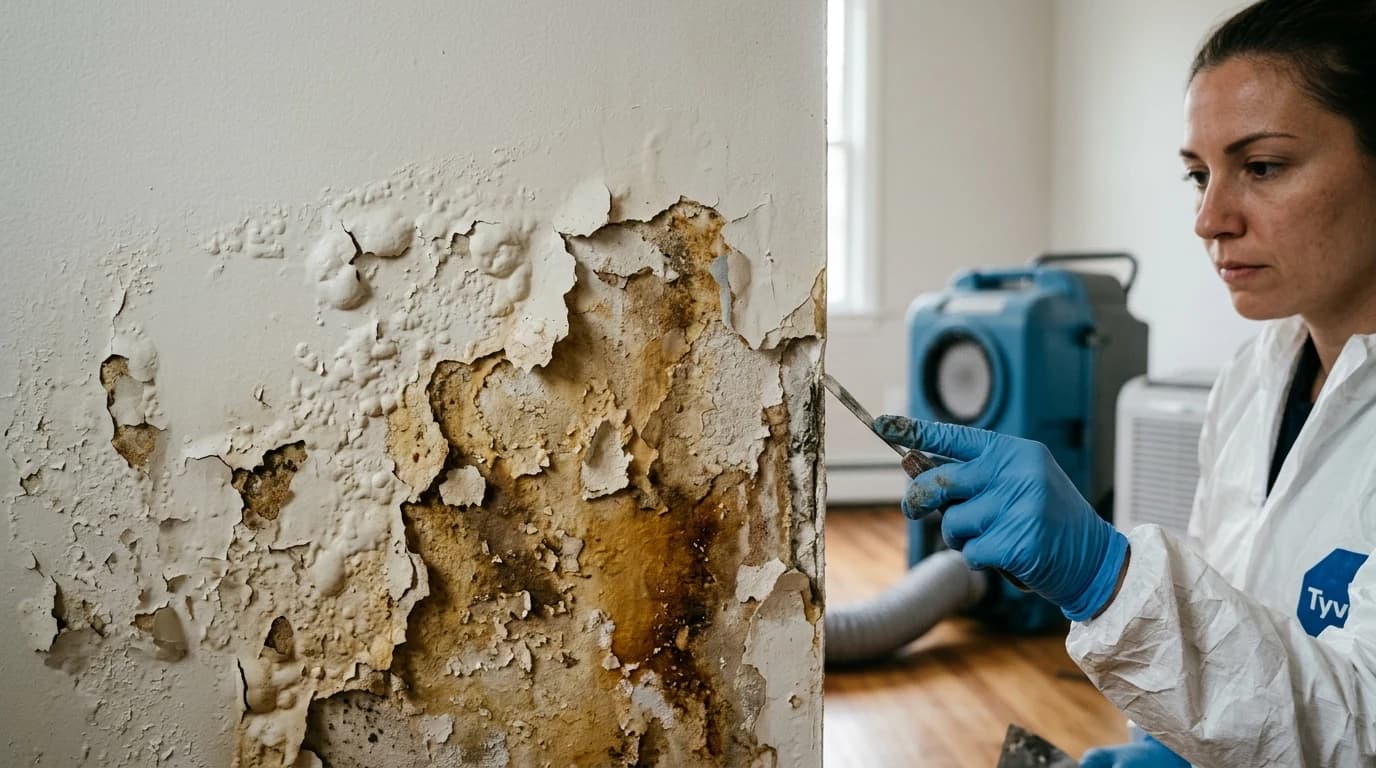
Early signs of water damage include discoloration on walls and ceilings, peeling paint, moldy smells, and an unexplained increase in your water bill. These indicators suggest a hidden leak or moisture problem. Discoloration often appears as yellow, brown, or copper-colored stains on ceilings and walls, signaling water accumulation. Peeling or bubbling paint can indicate that water is seeping into the walls, causing the paint to lose its adhesion. A musty or moldy smell is usually a sign of mold growth, which thrives in damp environments. Another telltale sign is an increase in your water bill without any corresponding increase in usage, suggesting a possible leak. Addressing these issues quickly can prevent further damage. Regular inspections, especially in basements and attics, can help in early detection. Focus on areas where water is commonly used, such as kitchens, bathrooms, and laundry rooms. If you suspect water damage, consider consulting professionals like those at Teaneck Water Damage Restoration for a thorough assessment.
How can you check for hidden leaks?
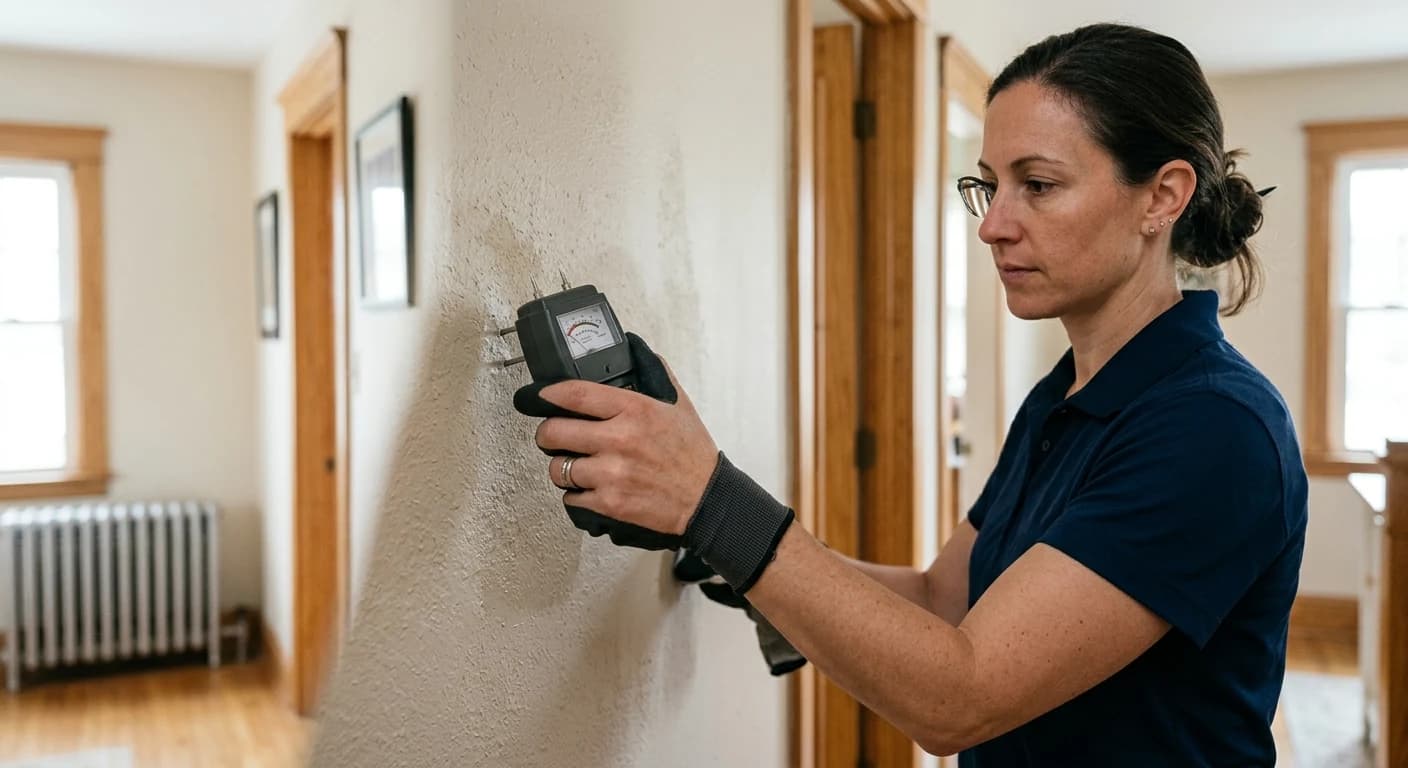
Hidden leaks can be tricky to detect but are often indicated by mold growth or warped flooring. Mold can appear as black, green, or white spots on surfaces and is often found in dark, damp places like under sinks or behind appliances. Warped or buckled floors occur when water seeps into the floorboards, causing them to swell. One way to check is by using a moisture meter on suspicious areas, like behind appliances or under sinks. These devices measure the percentage of water in a given material and can help pinpoint problems. Listen for dripping sounds in quiet environments and look for soft spots in floors, which may indicate water damage beneath the surface. An infrared camera can also be useful in identifying water behind walls or ceilings, as it detects temperature differences caused by moisture. Regular maintenance checks can help catch these issues early, preventing further damage. Inspect plumbing fixtures, hoses, and connections regularly and replace any that show signs of wear or corrosion.
What should you do if you find signs of water damage?
If you spot any signs of water damage, it's crucial to act quickly. First, identify and stop the source of the water. This may involve turning off the main water supply if the leak is severe. Then, dry the affected area as thoroughly as possible to prevent mold growth. Use fans, dehumidifiers, and open windows to increase air circulation. Contact a professional restoration company to assess and repair the damage. Companies like Teaneck Water Damage Restoration offer comprehensive services, including water extraction, drying, dehumidification, and mold remediation. They can be reached via their contact page for immediate assistance. It's also important to document the damage for insurance purposes. Take photos and note the extent of the damage, as well as any steps you've taken to mitigate it. This documentation can be crucial when filing a claim. Consider reviewing your insurance policy to understand what types of water damage are covered and communicate with your insurance provider to ensure a smooth claims process.
How to Prevent Water Damage in Vulnerable Areas
Preventing water damage requires proactive measures, particularly in areas prone to moisture accumulation. Start by ensuring that your home's gutters and downspouts are clean and free of debris. Clogged gutters can cause water to overflow and seep into your roof or foundation. Regularly inspect these areas, especially after heavy rain, and remove any leaves or dirt that may obstruct water flow. In the basement, install a sump pump to manage excess water and prevent flooding. Ensure that your landscaping slopes away from the foundation to direct water away from your home. Additionally, apply waterproof sealant to basement walls and floors to create a barrier against moisture. In bathrooms and kitchens, check caulking around tubs, sinks, and showers, and replace it if it’s cracked or worn. Install water leak detectors near appliances and plumbing fixtures to alert you to leaks before they cause significant damage. By taking these preventative steps, you can protect your home from the costly and disruptive effects of water damage.
Understanding the Role of Humidity in Water Damage
Humidity plays a significant role in water damage, often exacerbating existing issues or creating new ones. High indoor humidity levels can lead to condensation on windows, walls, and ceilings, which may result in mold growth and structural damage over time. To manage humidity, use a dehumidifier in damp areas like basements and bathrooms. Ensure that your home is well-ventilated, particularly in areas where moisture is generated, such as the kitchen and bathroom. Use exhaust fans during cooking and showering to expel moist air outside. Regularly check the humidity levels in your home with a hygrometer, aiming to keep them between 30% and 50% for optimal comfort and safety. If you live in a naturally humid area like parts of NJ, consider installing a whole-house dehumidification system to maintain consistent humidity levels throughout the year. By controlling humidity, you not only reduce the risk of water damage but also improve indoor air quality and overall comfort.
The Importance of Regular Plumbing Inspections
Regular plumbing inspections are a crucial preventative measure against water damage. They help identify potential issues before they escalate into significant problems. Start by scheduling annual inspections with a licensed plumber who can thoroughly assess your plumbing system, including pipes, faucets, and fixtures. During these inspections, the plumber will check for signs of leaks, corrosion, and wear that might not be visible to the untrained eye. They can also evaluate the water pressure, which, if too high, can strain pipes and lead to leaks. Homeowners can complement these inspections by routinely checking under sinks and around appliances for moisture or water stains. Additionally, pay attention to any unusual sounds like dripping or running water, which might indicate hidden leaks. Regularly inspect the water heater for signs of rust or leaks, as these can lead to significant water damage if left unaddressed. By maintaining a proactive approach to plumbing inspections, you can catch small issues early, preventing costly repairs and extensive damage in the future.
Recognizing Water Damage in Uncommon Areas
While kitchens and bathrooms are common sites for water damage, it's important not to overlook other areas in your home. Attics, for example, can be vulnerable to water damage due to roof leaks or condensation. Regularly check the attic for signs of water intrusion, such as damp insulation, mold, or water stains on the rafters. Ensure that your attic is well-ventilated to prevent moisture buildup. Crawl spaces are another area where water damage can go unnoticed. Inspect them for standing water, mold, or a musty odor, which could indicate poor drainage or plumbing leaks. Garages, especially those attached to the home, can also experience water damage from roof leaks or poor drainage. Look for signs of water pooling on the floor or damp walls. Implementing proper drainage solutions, such as installing a French drain or improving the slope of the driveway, can help divert water away from these areas. By expanding your focus to include these less obvious spots, you can better protect your home from the insidious effects of water damage.
How to Deal with Water Damage in Basements
Basements are particularly vulnerable to water damage due to their location below ground level, making them susceptible to leaks and flooding. To effectively manage water damage in basements, start by identifying the source of the water. This could be due to groundwater seepage, plumbing leaks, or poor drainage outside your home. Once identified, take immediate action to mitigate further damage. Use a wet-dry vacuum to remove standing water and deploy dehumidifiers to reduce moisture levels. It's crucial to dry the area thoroughly to prevent mold growth, which can thrive in damp, dark environments like basements. Next, inspect the walls and floors for cracks that may allow water intrusion and seal them with waterproof masonry sealant. Consider installing a sump pump to automatically remove accumulated water during heavy rains. Additionally, ensure that your gutters and downspouts are directing water away from the foundation. Regular maintenance, such as cleaning gutters and checking for leaks, can prevent future issues. Lastly, if water damage is extensive, consult professionals who specialize in basement waterproofing and restoration to ensure comprehensive protection and repair.
The Impact of Seasonal Changes on Water Damage
Seasonal changes can significantly affect the risk and severity of water damage in your home. During the winter months, freezing temperatures can cause pipes to burst, leading to significant water damage. To prevent this, insulate exposed pipes and maintain a consistent indoor temperature. In the spring, melting snow and increased rainfall can lead to basement flooding. Ensure your sump pump is in good working condition and consider using window well covers to prevent water from accumulating around basement windows. Summer brings high humidity, which can exacerbate existing moisture issues, particularly in attics and crawl spaces. Use dehumidifiers to manage indoor humidity levels and ensure proper ventilation in these areas. In the fall, falling leaves can clog gutters and downspouts, leading to water overflow and potential roof damage. Regularly clean your gutters and check for any blockages. By understanding and preparing for the unique challenges each season presents, you can take proactive steps to minimize the risk of water damage and protect your home throughout the year. If you're in Teaneck or nearby areas, consider local climate patterns when planning your preventive measures.