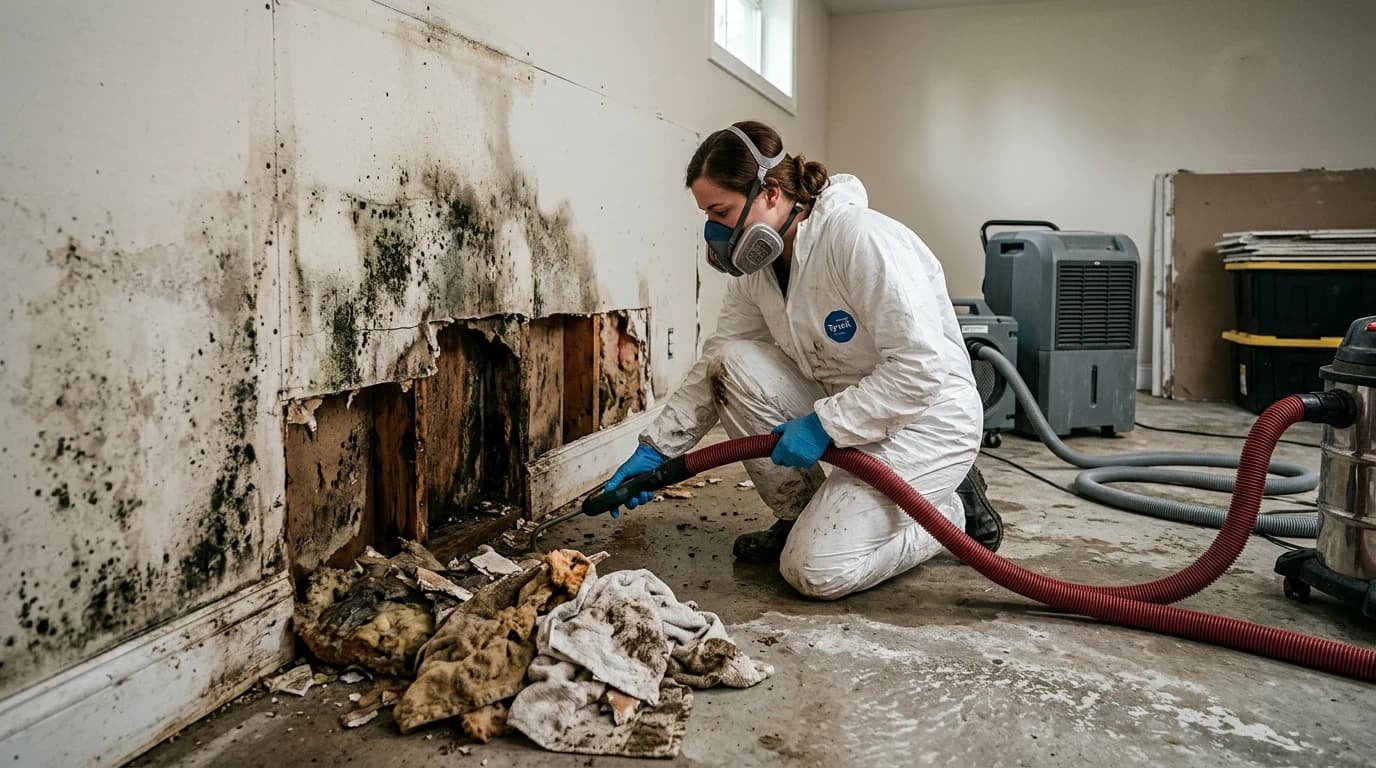
What structural issues can arise?
Untreated water damage can severely compromise the structural integrity of a building. As water seeps into wooden structures, it can cause wood rot and weaken the framework. Over time, this can lead to sagging floors, warped walls, and even foundation cracks. These issues not only affect the aesthetic appeal of your home but also its safety. For instance, warped floors can create tripping hazards, while cracks in the foundation can lead to more severe issues such as uneven settling, which might ultimately compromise the entire structure. Regular inspections and immediate repairs are essential to maintain the value and safety of your home in Teaneck. Identifying early signs of water damage, such as discoloration, peeling paint, or musty odors, can help prevent long-term damage. Consult with a professional restoration service to evaluate and address any potential structural issues. They can provide comprehensive assessments and tailored solutions to protect your home.
Can untreated water damage affect your health?
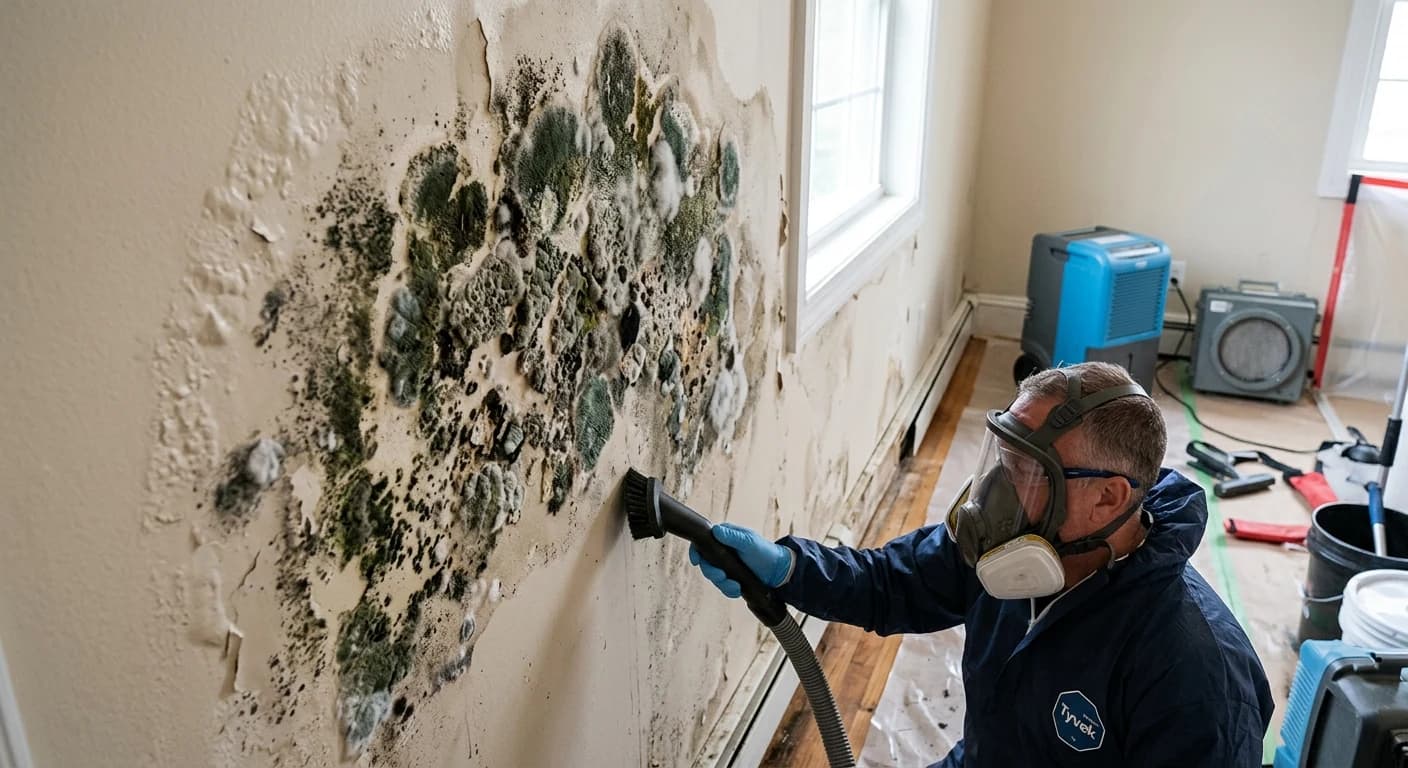
Yes, untreated water damage can lead to severe health risks due to mold growth. Mold thrives in damp conditions and can spread quickly throughout a home. This can cause respiratory issues, allergic reactions, and other health problems, particularly in children and the elderly. Mold spores can become airborne and are easily inhaled, exacerbating asthma and causing other respiratory ailments. Beyond respiratory issues, exposure to mold can also lead to skin irritation, eye irritation, and in some cases, more severe health conditions if left unchecked. It's crucial to address water damage swiftly to prevent mold from developing. Professional remediation services can effectively manage mold removal, ensuring a safe environment for your family. They use specialized equipment and techniques to detect hidden mold and moisture, which are often not visible to the naked eye. Moreover, they can provide guidance on how to prevent future mold growth, such as improving ventilation and controlling indoor humidity levels.
What financial impacts might you face?
Ignoring water damage can lead to costly repairs in the future. The longer water damage is left unaddressed, the more extensive and expensive the repairs become. For example, what might start as a small leak could eventually lead to the need for significant structural repairs, including replacing large sections of flooring or drywall. Additionally, persistent water damage can lead to secondary issues such as electrical damage, which can be both dangerous and costly to repair. It can also decrease the resale value of your property significantly. Potential buyers are often wary of homes with a history of water damage, fearing undisclosed issues or future problems. Early detection and repair are more cost-effective and can save you from substantial financial burdens. Investing in a professional inspection and timely repairs can preserve your home's market value and ensure peace of mind. Consider reaching out to a trusted restoration company like Teaneck Water Damage Restoration via their contact page for an evaluation and cost estimate. They can provide a detailed breakdown of potential costs and work with you to prioritize repairs based on severity and urgency.
How can untreated water damage impact your home's environment?
Leaving water damage untreated can significantly alter the environment of your home, leading to uncomfortable living conditions. One of the primary issues is the increase in humidity levels, which can make the indoor air feel sticky and unpleasant. High humidity can also cause discomfort and exacerbate respiratory issues, particularly for those with asthma or allergies. Furthermore, persistent dampness can lead to the proliferation of dust mites, which thrive in humid conditions and can trigger allergic reactions. Beyond personal discomfort, untreated water damage can also affect your home's energy efficiency. High humidity can force your HVAC system to work harder, increasing energy consumption and leading to higher utility bills. Additionally, water damage can compromise the insulation in your walls, floors, and ceilings, further reducing energy efficiency and increasing heating and cooling costs. To mitigate these issues, it's crucial to address water damage promptly and improve ventilation. Consider installing dehumidifiers or upgrading your HVAC system to manage indoor humidity levels effectively. Regular maintenance and timely repairs can help maintain a comfortable and energy-efficient home environment.
What are the long-term consequences of ignoring water damage?
Ignoring water damage can lead to a cascade of long-term consequences that affect various aspects of your home and lifestyle. Over time, untreated water damage can cause irreversible harm to the structural components of your home, leading to extensive repairs that are both time-consuming and costly. As water continues to seep into materials, it can cause corrosion of metal components, such as pipes and fasteners, which may result in plumbing failures or even structural collapses. Additionally, prolonged exposure to moisture can lead to the deterioration of electrical systems, posing significant safety hazards such as electrical shorts or fires. Beyond structural and safety concerns, the aesthetic value of your home can also suffer. Persistent water damage can cause unsightly stains, peeling paint, and warped surfaces that are difficult to restore to their original condition. These issues can diminish the overall appeal of your home, making it less attractive to potential buyers if you decide to sell in the future. To prevent these long-term consequences, it's essential to address water damage promptly and thoroughly. Regular inspections and maintenance, along with professional restoration services, can help safeguard your home against the detrimental effects of untreated water damage.
How does untreated water damage affect your belongings?
When water damage is left untreated, it can have a devastating impact on your personal belongings. Items such as furniture, electronics, and important documents are particularly vulnerable to water exposure. For instance, wooden furniture can swell, warp, or even rot if exposed to moisture over prolonged periods. Upholstered furniture may develop mold and mildew, leading to unpleasant odors and potential health risks. Electronics, on the other hand, can suffer from short circuits or corrosion, rendering them unusable. Additionally, important documents and photographs can be irreparably damaged by water, losing valuable information or sentimental value. To protect your belongings, it's crucial to act quickly when water damage occurs. Start by moving items to a dry area and using fans or dehumidifiers to reduce moisture levels. For electronics, remove any batteries and allow them to dry completely before attempting to power them on. Important documents should be carefully dried and, if possible, digitized to prevent future loss. Professional restoration services can also be invaluable in salvaging water-damaged items. They have specialized equipment and expertise to restore items that might seem beyond repair. Taking these steps can help preserve your belongings and minimize the impact of water damage.
What steps can you take to prevent water damage?
Preventing water damage is far more cost-effective and less stressful than dealing with its aftermath. One of the first steps is to ensure proper maintenance of your home's plumbing system. Regularly inspect pipes, faucets, and appliances for leaks, and address any issues promptly. Installing water leak detectors in vulnerable areas, such as basements or under sinks, can provide early warnings of potential problems. Additionally, it's important to maintain your home's exterior. Ensure that gutters and downspouts are clear of debris to facilitate proper drainage away from the foundation. Consider installing gutter guards to prevent clogs and minimize maintenance. Regularly inspect your roof for damaged shingles or flashing, as these can allow water to seep into your home. In areas like Teaneck, where heavy rains or snow can occur, it's important to ensure that your home is adequately insulated and sealed to prevent water intrusion. Landscaping can also play a role in preventing water damage. Ensure that the ground slopes away from your home's foundation to prevent pooling water. By taking these proactive measures, you can significantly reduce the risk of water damage and protect your home from costly repairs.